
Benefits of Poured in Place Rubber Surfaces for Playgrounds in San Diego, California
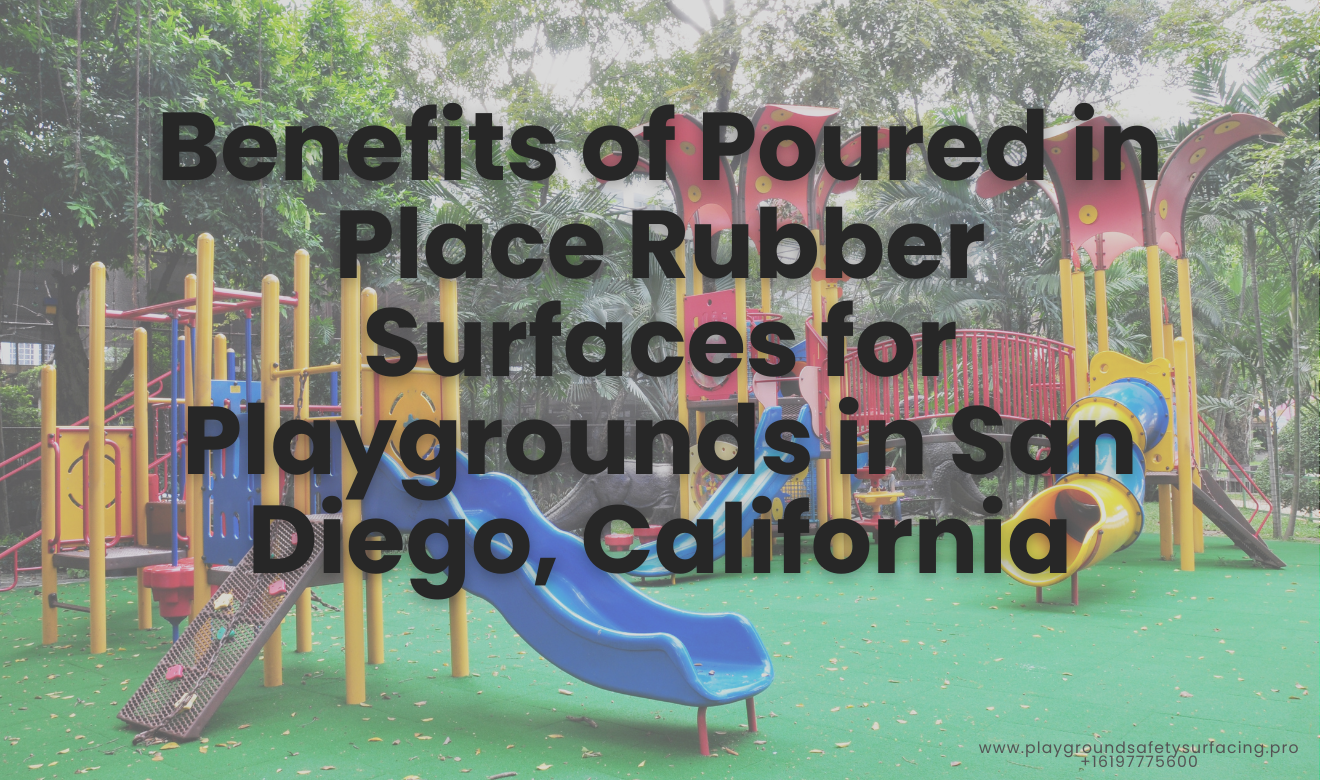
Poured-in-place rubber is one of the best playground surfacing options in San Diego because it creates a seamless, cushioned, and slip-resistant surface that helps reduce injuries and supports accessibility. If you’re weighing poured in place rubber cost San Diego, it helps to know you’re paying for long-term durability that stands up to sun, salt air, and heavy daily use. For example, it can be installed under swings and climbing structures with extra thickness in fall zones, then kept thinner in low-impact areas to manage budget. It also works well for pathways and ramps, so strollers and wheelchairs roll smoothly without getting stuck in loose fill like mulch or sand.
What Drives Poured in Place Rubber Cost in San Diego?
When people search poured in place rubber cost San Diego, they’re usually trying to figure out why pricing can vary so much between two playgrounds that look similar. The truth is: poured-in-place (PIP) rubber is a system, not a single product—so cost is shaped by safety requirements, site conditions, and design choices.
Key cost factors (quick breakdown)
- Square footage: Larger installs often have better pricing per square foot, but total cost rises.
- Required fall height (critical height): Higher equipment needs thicker rubber in fall zones, which increases poured in place rubber cost San Diego.
- Base condition: Repairing cracked asphalt, adding drainage, or building a concrete pad adds to the project.
- Access and logistics: Tight access, stairs, rooftop work, or long material carries can raise labor cost.
- Design and color work: Patterns, graphics, multiple colors, and custom logos require more material and skilled labor.
- Edge details and transitions: Curbs, ramps, drain cutouts, and tie-ins to existing surfaces affect complexity.
- Local environment: San Diego sun/UV, coastal salt air, and heat cycles make quality materials and correct installation especially important for longevity.
Typical Price Ranges to Expect (Budgeting Guide)
Most owners want a clear number. While final pricing depends on your site and fall height requirements, poured in place rubber cost San Diego is commonly budgeted in a per-square-foot range that accounts for thickness and design complexity.
| Cost Driver | What Changes the Price | How to Control It |
|---|---|---|
| Thickness (fall height) | More rubber required under swings/climbers | Keep thicker zones only where needed; thin out pathways |
| Site/base prep | Cracks, drainage issues, slope corrections | Evaluate base early; repair only what impacts performance |
| Color + graphics | Multiple colors and custom designs add labor | Use border accents; reserve graphics for focal areas |
| Drainage + edging | Tie-ins, curbs, ramps, and water management | Plan drainage and transitions in the design phase |
If you want a more exact number for poured in place rubber cost San Diego, your installer will typically confirm: (1) measured square footage, (2) equipment fall heights, (3) base type/condition, and (4) design scope (colors/patterns).
Why Thickness Matters So Much (And How It’s Calculated)
Thickness is one of the biggest levers in poured in place rubber cost San Diego. PIP surfacing is designed to reduce injury severity by absorbing impact. The thicker the rubber, the higher the fall height it can help protect.
Where you need more thickness
- Swings: Extended use zones and repeated impact demand a robust fall zone.
- Climbers and overhead equipment: Higher potential fall height generally increases thickness requirements.
- Slides: Exit zones can need additional attention, especially where kids land and pivot.
Where you can often reduce thickness to manage budget
- Low-impact play areas: Toddler zones with lower equipment.
- Perimeter pathways: Great for circulation and accessibility without full fall-height thickness.
- Benches and seating zones: Comfort and slip resistance matter, not maximum impact attenuation.
Because of that zoning approach, two projects of the same size can have very different poured in place rubber cost San Diego depending on equipment layout and fall zone planning.
San Diego-Specific Considerations That Affect Cost
San Diego has a unique mix of coastal moisture, salt air, and high UV exposure. Those environmental factors don’t automatically increase poured in place rubber cost San Diego, but they raise the importance of doing it right—because premature wear is expensive.
What to prioritize in coastal or high-sun areas
- UV stability: Better binders and proper installation help reduce fading and surface breakdown.
- Drainage planning: Even with low rainfall, heavy downpours happen—standing water can shorten lifespan.
- Thermal movement: Large, dark surfaces heat up; proper joints and edge details help performance.
In practice, paying attention to these items can protect your investment and keep poured in place rubber cost San Diego from turning into “repair cost San Diego” a few years later.
Comparing PIP Rubber to Other Playground Surfacing Options
If you’re weighing poured in place rubber cost San Diego, you’re probably comparing it to mulch, sand, synthetic turf, or rubber tiles. Each has a place, but they don’t perform the same in accessibility, maintenance, and lifespan.
How PIP rubber typically compares
- Vs. engineered wood fiber (mulch): Lower upfront cost, but requires frequent raking/top-offs and can shift away from fall zones.
- Vs. sand: Can be low cost, but mobility devices struggle and it migrates easily.
- Vs. rubber tiles: Faster install in some cases, but seams can separate and edges may curl over time.
- Vs. synthetic turf: Great aesthetic and multi-use potential, but playground turf systems still require correct pad selection and infill management.
For a long-term perspective, it helps to think beyond poured in place rubber cost San Diego and consider lifecycle cost—repairs, top-offs, downtime, and liability exposure. This is the same principle discussed in why cheaper surfacing can cost more over the long term.
Accessibility and Safety: Why Owners Choose PIP Rubber
PIP rubber is popular in public-facing projects because it supports inclusive use. A seamless surface reduces trip hazards and improves mobility for wheelchairs, walkers, strollers, and kids who need stable footing.
Benefits that directly support safety and usability
- Seamless transitions: Fewer edges to trip over.
- Slip resistance: Helps in dew, splash zones, or after cleaning.
- Impact attenuation: Designed to reduce injury severity from falls.
- Consistent coverage: Doesn’t kick out of fall zones like loose fill.
If you’d like a deeper overview of what qualifies as playground surfacing and how it’s categorized, that background can help when comparing bids and specs.
Installation Quality Impacts Cost More Than People Realize
It’s tempting to focus only on poured in place rubber cost San Diego, but the workmanship and process often determine whether you’ll enjoy 8–12+ years of performance or face early cracking, delamination, and ponding.
What a professional install typically includes
- Base evaluation: Confirm slope, drainage, and structural integrity.
- Correct primer/bonding steps: Helps the rubber adhere properly to the base.
- Two-layer system: A durable base layer (often SBR) with an EPDM wear layer for color and UV resistance.
- Clean edges and transitions: Especially important for ramps, curbs, and playground borders.
- Compliance approach: Designed around ASTM impact attenuation expectations and accessibility goals.
For a closer look at what the job process includes and what to expect on-site, review poured in place rubber installation San Diego. Understanding the steps helps you compare proposals beyond just poured in place rubber cost San Diego.
Ways to Control Poured in Place Rubber Cost in San Diego Without Cutting Corners
There are smart ways to manage poured in place rubber cost San Diego while still getting a safe, attractive, code-friendly surface.
Cost-control strategies that usually work
- Use thickness zoning: Put thicker surfacing only where fall heights require it.
- Limit custom graphics: Keep designs simple (borders, circles, hopscotch) and save detailed logos for entry zones.
- Optimize layout: Tighter equipment grouping can reduce the total fall-zone area.
- Schedule efficiently: Group surfacing with other site work to reduce mobilization and downtime.
- Fix drainage early: It’s cheaper to correct slope/base issues before rubber goes down than after failures occur.
These steps don’t just reduce poured in place rubber cost San Diego—they also reduce long-term maintenance and patching.
Maintenance Expectations (And the Real Cost of Ownership)
One reason owners accept poured in place rubber cost San Diego is the predictable maintenance compared with loose fill. That said, “low maintenance” doesn’t mean “no maintenance.”
Typical upkeep checklist
- Routine cleaning: Blow debris, rinse, or lightly wash to reduce grime and algae risk.
- Inspect high-wear zones: Swing bays, slide exits, and entry points.
- Repair small issues early: Minor edge lifting or surface wear is cheaper to fix before it spreads.
- Manage nearby landscaping: Soil and mulch migrating onto rubber can stain and reduce traction.
When you plan maintenance from day one, poured in place rubber cost San Diego makes more sense because you protect the lifespan you paid for.
Where Poured-in-Place Rubber Works Best in San Diego
Because it’s seamless and adaptable, PIP is commonly used across San Diego in spaces where safety, durability, and accessibility matter.
Common applications
- City parks and public recreation areas: Heavy daily use, inclusive access, and reduced trip hazards.
- Schools, preschools, and daycare centers: Safer fall zones, easier supervision, and clear play area boundaries.
- HOAs and residential playgrounds: Cleaner look than loose fill and less tracking into pools or clubhouses.
- Corporate campuses: A polished, compliant solution for outdoor wellness and family-friendly spaces.
- Splash pad perimeters and water play areas: Slip resistance and comfort underfoot.
Each site type influences poured in place rubber cost San Diego differently—mainly due to access, design expectations, and intensity of use.
What to Ask for in a Proposal (So You Can Compare Apples to Apples)
To evaluate poured in place rubber cost San Diego correctly, you need bids that define what’s included. Otherwise, the lowest number can hide missing prep, reduced thickness, or shortcuts.
A strong proposal typically specifies
- Total square footage and exact areas included
- Thickness by zone (especially under equipment fall zones)
- Base scope (repairs, leveling, drainage improvements)
- Material system details (wear layer type, color options)
- Edge/transition details (curbs, ramps, tie-ins)
- Timeline and curing window
- Warranty terms (and what voids it)
Getting these items in writing is one of the best ways to make sure the poured in place rubber cost San Diego you’re quoted matches the performance you expect.
Built to Last: The Smart Way to Think About Your Investment
Poured in place rubber cost San Diego can look higher than loose-fill options at first, but the value becomes clearer when you factor in accessibility, reduced daily upkeep, and a surface that stays in place through heavy use. A well-built PIP system is designed for impact attenuation, reliable traction, and long-term performance in San Diego’s sun and coastal conditions.
If your goal is a surface that helps reduce injuries, supports inclusive play, and maintains a clean, professional look year after year, PIP rubber is often one of the strongest choices. The best results come from experienced crews who understand base prep, thickness zoning, drainage, and compliance-focused installation—because quality installation is what protects the lifespan behind poured in place rubber cost San Diego.
Frequently Asked Questions
Get an Exact Poured-in-Place Rubber Quote—Without the Guesswork
If you’re trying to nail down poured in place rubber cost in San Diego, don’t settle for a generic per-square-foot number. The real price comes down to your fall-height zones, base condition, drainage, access, and how much (or how little) color work you want—so the fastest way to get clarity is to have a local pro scope it properly. Reach out to Playground Safety Surfacing for a site-specific estimate and a proposal that clearly spells out thickness by zone, prep requirements, and timeline—so you can compare bids confidently and invest in a surface that’s built to last in San Diego’s sun and coastal conditions.
Related Posts

How Long Does Poured in Place Rubber Last in Orange County, California?
Poured-in-place rubber typically lasts about 8 to 15 years in Orange County, California, depending on…

Benefits of Poured in Place Rubber Playgrounds in San Diego, California
Poured-in-place rubber playground surfaces are a smart choice in San Diego because they combine safety,…
Leave a Reply