
How to Ensure a Successful Poured in Place Rubber Installation in Orange County, California
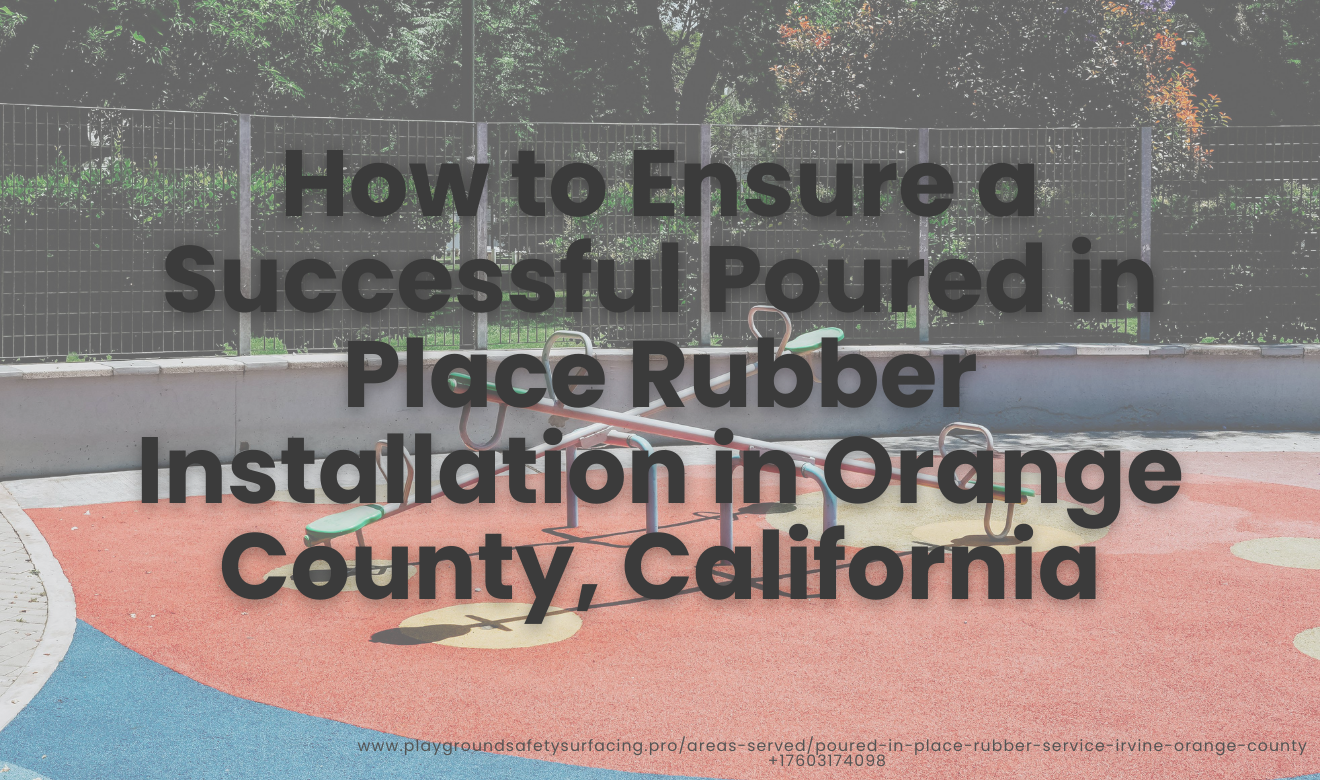
A successful poured in place rubber install Orange County starts with the right base, the right weather window, and the right thickness for your space. If the concrete or asphalt underneath isn’t stable and properly sloped, the rubber can crack, ripple, or hold water. If the mix ratios are off or the install happens during coastal humidity or unexpected drizzle, the surface can cure unevenly and lose strength.
For example, a playground in Irvine often needs extra attention to drainage so puddles don’t form after sprinklers or rain. A pool deck in Huntington Beach may require a moisture barrier and careful timing to avoid curing issues from marine layer conditions. And a schoolyard in Santa Ana typically benefits from clear thickness planning—like thicker impact areas under swings and thinner zones on walk paths—to meet safety needs without wasting material.
By focusing on site prep, moisture control, and layout planning before any material is poured, you can avoid common failures and end up with a clean, durable surface that looks consistent and performs the way it should.
What “Poured In Place Rubber” Really Means (and Why It Matters in Orange County)
Poured-in-place (PIP) rubber is a seamless, troweled-on safety surfacing system built in layers—typically a resilient base course (often larger recycled rubber granules) topped with a wear course (smaller EPDM granules for color and durability). In a Poured in place rubber install Orange County project, that layered approach matters because local conditions—coastal moisture, heat swings inland, sprinklers, and heavy use—can expose weaknesses fast if the system isn’t designed correctly.
Done right, a Poured in place rubber install Orange County delivers:
- Seamless fall protection for playgrounds and impact zones
- Slip-resistant traction when properly textured and maintained
- ADA-friendly accessibility compared to many loose-fill surfaces
- Design flexibility (colors, graphics, transitions, borders)
The #1 Cause of Failure: Base and Drainage Mistakes
If you take nothing else from this guide, remember this: most premature issues in a Poured in place rubber install Orange County start below the rubber. Cracks, bubbles, soft spots, and ponding water usually trace back to substrate and drainage.
Minimum base expectations (concrete or asphalt)
For a stable Poured in place rubber install Orange County, the base should be:
- Structurally sound (no pumping, major cracks, or failing patches)
- Clean (free of dust, oil, curing compounds, gum, coatings, and algae)
- Properly sloped so water moves off the surface instead of sitting under or on it
- Consistently dense (weak asphalt edges and crumbly concrete cause edge failures)
Drainage targets that prevent ponding
In Orange County, irrigation overspray and marine layer moisture can keep surfaces damp longer than expected. Good practice is to plan drainage before any Poured in place rubber install Orange County begins:
- Maintain a slope that moves water to drains, swales, or landscape areas
- Avoid “birdbaths” (low spots) that can telegraph through the rubber
- Detail edges so water can’t wick underneath the system
Weather Windows: Timing a Coastal Install the Smart Way
Orange County weather is mild—until it isn’t. Coastal humidity, marine layer, and surprise drizzle can disrupt curing. A Poured in place rubber install Orange County should be scheduled around conditions that support consistent binder cure.
Conditions that commonly cause curing problems
- High humidity and damp substrate (common near the coast in mornings)
- Direct hot sun on dark materials (can speed surface cure while the body lags)
- Windy afternoons (can skin the top and trap solvents/air)
- Overnight condensation on partially cured sections
Practical scheduling tips
- Plan pours after the substrate is dry—especially after power washing or foggy nights
- Use staged work zones so transitions don’t become weak “cold joints”
- Coordinate irrigation shutoffs so sprinklers don’t hit fresh surfacing
This level of planning is a big reason an experienced crew can produce a more consistent Poured in place rubber install Orange County than a rushed, weather-blind job.
Thickness Planning: Safety Compliance Without Overspending
Thickness isn’t just a preference—it’s a performance requirement tied to fall height and intended use. In playground settings, thickness is typically selected to meet impact attenuation targets (often discussed alongside standards such as ASTM F1292 for impact attenuation and ASTM F1951 for accessibility). A properly designed Poured in place rubber install Orange County uses thickness strategically: thicker where kids fall, thinner where they walk.
Common thickness strategy by zone
- Under swings, climbers, and overhead events: thicker for higher-impact falls
- Slide exits and run-outs: targeted build-up where repeated impact happens
- Paths and low-risk areas: optimized thickness to reduce cost without sacrificing performance
For background on how surfaces are categorized and evaluated in playground environments, many facility managers reference general resources on playground surfacing when comparing options.
Material Choices: EPDM, SBR, and How Color Impacts Performance
Most systems use a two-layer build:
- Base layer: typically recycled SBR granules with binder (cost-effective, resilient)
- Top layer: often EPDM granules (UV stable, colorfast, more durable appearance)
Why UV and color stability matters in Orange County
UV exposure can be intense inland (Anaheim, Santa Ana, Orange), while coastal projects (Newport Beach, Huntington Beach) deal with salt air and higher ambient moisture. In a Poured in place rubber install Orange County, selecting a quality wear layer helps reduce:
- Premature fading
- Surface embrittlement
- Color inconsistency from batch differences
The Install Process (High-Level): What Should Happen On-Site
While every project is unique, a professional Poured in place rubber install Orange County generally follows a controlled sequence. If your installer can’t explain these steps clearly, that’s a red flag.
Typical PIP workflow
- Substrate evaluation (drainage, cracks, edges, transitions)
- Surface preparation (cleaning, profiling, repairing, priming as needed)
- Layout and thickness mapping (especially for playground compliance zones)
- Base course installation (mix, place, trowel, compact)
- Wear course installation (color blend consistency, trowel finish, detail work)
- Cure protection (barricades, weather protection, no irrigation impact)
- Final walk-through (drainage check, seams/transitions, thickness verification where required)
If you want to see how this is typically staged from planning to pour day, review the PIP process overview.
Common Questions People Ask Before Booking a Poured In Place Rubber Install
How long does poured-in-place rubber last?
With correct base prep, appropriate thickness, and routine care, a Poured in place rubber install Orange County can perform for many years. Lifespan depends heavily on UV exposure, use intensity, drainage, and whether maintenance is proactive instead of reactive.
Is it slippery when wet?
It can be slip-resistant when properly installed and kept clean, but algae, sunscreen/oils, and dirt film can reduce traction. That’s why maintenance planning is part of a durable Poured in place rubber install Orange County, especially near pools and shaded areas.
Will it crack like concrete?
The rubber surface is flexible, but it can reflect substrate movement. If asphalt heaves, roots push, or concrete cracks and separates, the rubber can telegraph that movement. A stable base is essential for any Poured in place rubber install Orange County.
Cost Drivers in Orange County (What Actually Changes the Price)
Pricing isn’t just “per square foot.” The biggest cost drivers for a Poured in place rubber install Orange County usually include:
- Total square footage (mobilization and staging matter on small jobs)
- Required thickness (more material and labor in fall zones)
- Substrate condition (repairs, crack treatment, leveling, moisture mitigation)
- Design complexity (multiple colors, graphics, borders, transitions)
- Site access (tight gates, stairs, long wheelbarrow runs)
- Drainage corrections (added prep, milling, or patch work)
When comparing bids, it helps to think beyond the sticker price. The same mindset applies across surfacing choices—cheap installs often become expensive repairs later. This is similar to the long-term cost issues covered in why cheap surfacing costs more long term.
Quick Planning Table: Match the Space to the Right Approach
Use this as a fast checklist when scoping a Poured in place rubber install Orange County for different property types.
| Space Type | Key Risk to Plan For | Best Practice Focus |
|---|---|---|
| Playgrounds (schools, parks) | Wrong thickness in fall zones | Map fall heights, verify drainage, protect cure time |
| Pool decks / splash areas | Moisture + slippery film buildup | Moisture control, slip-resistant finish, cleaning plan |
| HOAs / courtyards | Edge peel from irrigation and shade | Detail edges, manage sprinklers, schedule maintenance |
| Corporate campuses | Aesthetic inconsistency across phases | Batch consistency, mockups, phased pour planning |
Maintenance: The Difference Between “Still Looks New” and “Worn Out Early”
A Poured in place rubber install Orange County is not a set-it-and-forget-it surface. The good news: maintenance is usually straightforward if it’s consistent.
Simple maintenance habits that extend service life
- Blow off debris weekly (leaves and dirt hold moisture and encourage algae)
- Rinse and lightly clean periodically in shaded or coastal areas
- Address small cuts early before water intrusion spreads damage
- Inspect drains and slopes so ponding doesn’t become normal
For a practical checklist of what to do seasonally and what to watch for, follow a dedicated PIP maintenance plan.
Red Flags to Watch for When Hiring an Installer
If you’re investing in a Poured in place rubber install Orange County, the installer’s process matters as much as the product. Watch for these common red flags:
- No discussion of drainage or slope (they should inspect, not assume)
- Vague thickness answers (especially for playground safety areas)
- No moisture plan for coastal installs or pool-adjacent projects
- Rushed schedule with no cure protection strategy
- Unclear material details (wear layer type, color blends, binder approach)
Built to Perform: How to Lock In a Long-Lasting Surface
The best results come from treating your project like a system—base, drainage, thickness, materials, install timing, and maintenance all working together. When those pieces are planned up front, a Poured in place rubber install Orange County can deliver a clean, uniform look and the day-to-day durability schools, HOAs, parks, and commercial properties need.
To get the strongest outcome, look for a team that can document substrate readiness, explain thickness mapping, and schedule around Orange County’s moisture patterns—because a Poured in place rubber install Orange County is only as good as the conditions it’s built on and the care it receives afterward.
Industry best practice is typically guided by established accessibility and impact testing frameworks (commonly referenced through ASTM standards) and by hands-on experience with local site conditions—especially drainage behavior, coastal curing challenges, and phased installation logistics.
Frequently Asked Questions
Ready for a Poured-In-Place Surface That Holds Up in Orange County?
If you’re planning a PIP project, don’t leave the “make or break” details to chance—base stability, drainage, moisture control, and thickness mapping are what separate a surface that looks great for years from one that starts failing early. Orange County Poured in Place Rubber Pros LLC helps schools, parks, HOAs, and commercial properties get a clean, seamless finish designed for Orange County conditions—coastal humidity, irrigation overspray, and high-use impact zones included. Share your site details and goals, and we’ll help you plan the right approach for a durable install that performs the way it should.
Related Posts

Benefits of Poured in Place Rubber Playgrounds in San Diego, California
Poured-in-place rubber playground surfaces are a smart choice in San Diego because they combine safety,…

Benefits of Poured in Place Rubber Surfacing for Playgrounds in Orange County, California
Poured-in-place rubber surfacing is one of the best playground upgrades in Orange County because it…
Leave a Reply