
Understanding Poured in Place Rubber Safety Standards in Orange County, California
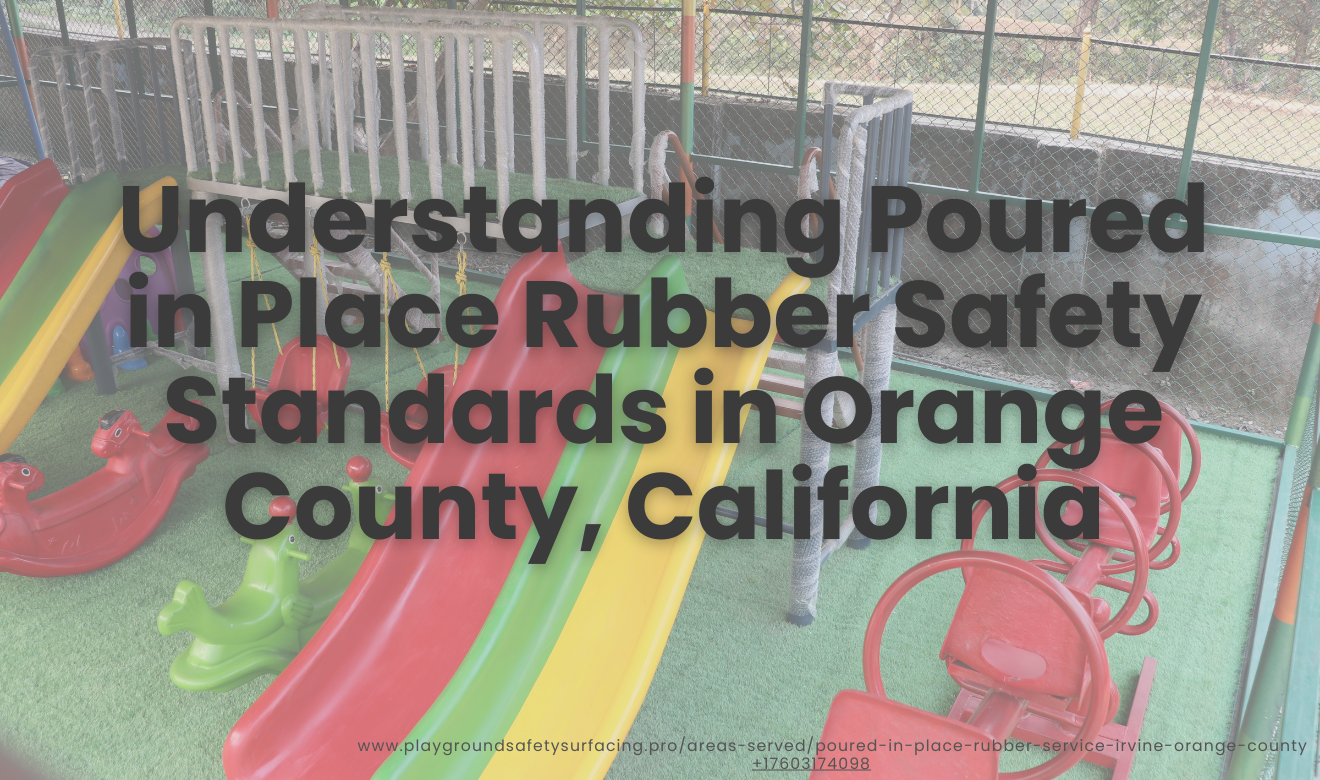
Poured in place rubber standards Orange County are mainly about making playground and recreation surfaces safer, especially by meeting impact-attenuation requirements, using accessible routes, and following local building and inspection rules. In Orange County, that means the surface should be tested for fall-height protection (so a trip off a 4-foot play structure is addressed differently than a 6-foot one), installed at the right thickness, and finished to reduce trip hazards at seams, drains, and edges.
For example, a school playground may need poured-in-place rubber thickened under swings and slides where falls are most likely, while a city park might focus on smooth transitions from sidewalks to the play area to support wheelchairs and strollers. Even a small community tot lot can run into issues if the surface slopes too much near a ramp, if the perimeter edge creates a lip, or if repairs leave uneven patches that could catch a foot.
Understanding these standards before planning or resurfacing helps you ask the right questions about testing reports, minimum thickness by equipment height, and how the installer will handle drainage and edge details. It also helps you avoid common problems like surfaces that look fine on day one but become slick, cracked, or uneven after heavy sun, sprinklers, and daily use.
What “Standards” Really Mean for PIP Rubber in Orange County
When people search for Poured in place rubber standards Orange County, they’re usually trying to confirm one thing: “Will this surface pass inspection and keep kids (and the agency) protected?” In practice, “standards” includes a mix of testing, design, installation quality, accessibility, and documentation.
Most projects in Orange County use poured-in-place (PIP) rubber because it can be built to a specific fall height, it’s wheelchair-friendly when installed correctly, and it creates a clean, seamless look. But it only performs as intended when your team plans around impact performance, drainage, transitions, and long-term maintenance.
The Core Benchmarks Behind Poured in Place Rubber Standards Orange County
While requirements can vary by jurisdiction and project type, Poured in place rubber standards Orange County typically center on these benchmarks:
- Impact attenuation for fall protection (the surface must reduce injury risk at the equipment’s fall height)
- ADA accessibility (stable, firm, slip-resistant, and smooth transitions)
- Workmanship (no trip hazards at seams, drains, borders, ramps, or patches)
- Drainage performance (water shouldn’t pond and create slip hazards or premature failure)
- Heat/UV durability (Orange County sun can accelerate fading and binder breakdown if materials are not right)
These items show up in plan review, punch walks, and post-install inspections—so they should be designed in from day one, not “fixed later.” That’s a major theme in Poured in place rubber standards Orange County.
Impact Attenuation: Matching Thickness to Fall Height
The #1 safety driver behind Poured in place rubber standards Orange County is impact performance. PIP rubber is typically built in layers (a thicker base course for shock absorption and a wear course for durability and color). The total thickness should match the critical fall height of the tallest accessible play component.
What gets people in trouble?
- Using one thickness everywhere even though fall heights vary across the playground
- Forgetting “high-risk zones” like swings, slide exits, and climber perimeters
- Relying on generic specs instead of project-specific test data from the actual system being installed
A quick way to think about it (design intent)
If your play structure includes a 4-foot deck and a 6-foot climber, the PIP section under the 6-foot area needs to be built for that higher fall height. This is why Poured in place rubber standards Orange County often results in “variable thickness” across the same site.
Testing and Documentation You Should Request
To stay aligned with Poured in place rubber standards Orange County, owners and project managers should request documentation that connects the installed system to verifiable safety performance.
Ask for these items before installation starts
- Impact test reports for the specific PIP system (not “similar” products)
- Manufacturer installation guidelines (mix ratios, lift thickness, cure time, temperature limits)
- Product data sheets for wear course and base course materials
- Warranty language with exclusions clearly explained (UV, standing water, abuse, cleaning chemicals, etc.)
Playground surfacing is widely recognized as a safety-critical system, not just a finish material. If you want a simple explainer of what qualifies as playground surfacing and why it matters, that overview helps frame why documentation is so important.
Accessibility: Routes, Transitions, and Edge Conditions
A big reason agencies focus on Poured in place rubber standards Orange County is accessibility. PIP rubber can provide a continuous accessible route from the entry point to play components—if grades, transitions, and surface texture are handled correctly.
Key accessibility details to get right
- Smooth transitions from concrete walks to PIP areas (no abrupt lips)
- Consistent slopes so routes don’t become difficult for wheelchairs or strollers
- Edge restraint design so the perimeter doesn’t curl, separate, or create a trip edge over time
- Drainage integration so grates and drains don’t become wheel traps or toe catch points
In the field, many “failed inspections” aren’t about the color or the look—they’re about small height differences at seams, ramps, and borders that become bigger problems after cure and weathering. That’s a practical part of Poured in place rubber standards Orange County.
Drainage: The Hidden Factor That Determines Longevity
Orange County sites often deal with irrigation overspray, occasional heavy rain events, and long sunny drying cycles. If water sits on the surface or in the base, it can speed up cracking, binder breakdown, and seam separation. Good drainage is a cornerstone of Poured in place rubber standards Orange County because it affects both safety (slip hazards) and lifecycle costs.
What good drainage planning typically includes
- Proper subbase prep (stable, graded, and compacted)
- Designed slopes that move water without creating accessibility issues
- Drain details that sit flush and don’t interrupt the accessible route
- Water management coordination with sprinklers, hardscape, and nearby planters
Common Installation Issues Inspectors and Owners Notice
If you’re trying to meet Poured in place rubber standards Orange County, it helps to know what commonly triggers punch-list items or complaints after opening day.
Top issues that create safety or performance problems
- Seams opening up (often from poor mix, rushed curing, or weak edge restraint)
- Uneven thickness in high-fall areas (risking non-compliance with required fall protection)
- Ponding water around drains or at low spots
- Trip edges where PIP meets concrete, curbs, ramps, or turf
- Slick wear course from improper aggregate, topcoat choices, or contamination during install
These aren’t cosmetic issues—each one can undermine Poured in place rubber standards Orange County by affecting accessibility, slip resistance, and fall protection.
How Standards Apply by Project Type (Schools, Cities, HOAs, and More)
Even though the core goals are the same, Poured in place rubber standards Orange County often look different depending on how the space is used and who maintains it.
| Project type | What standards tend to emphasize | Common risk area |
|---|---|---|
| School playgrounds | Fall-height protection, supervision sightlines, fast repairs | Swings, slide exits, high-traffic paths |
| City parks / public works | Accessibility routes, vandal resistance, drainage durability | Perimeter edges, transitions to sidewalks, pooling |
| HOAs / community tot lots | Trip hazard prevention, cleanability, consistent slopes | Ramps, borders, patched repairs |
| Corporate campuses | Aesthetics + accessibility, long wear, low downtime | Color fading, edge detailing, heavy foot traffic routes |
This is why “one-size-fits-all” specs frequently fall short of Poured in place rubber standards Orange County. A good design reflects how the site will actually be used and maintained.
Maintenance Requirements (Because Standards Don’t Stop After the Install)
Most owners focus on installation day, but Poured in place rubber standards Orange County also depend on keeping the surface performing over time. Dirt, sunscreen oils, sprinkler minerals, gum, and algae buildup can change slip resistance and appearance quickly.
Baseline maintenance that supports safety and warranties
- Regular sweeping/blowing to prevent abrasive dirt from accelerating wear
- Periodic washing using manufacturer-approved cleaning methods
- Prompt repairs to keep small cuts or seam issues from spreading
- Drain checks so water doesn’t start ponding and softening the system
For a cost perspective, it’s also worth understanding why “budget” installs can become expensive over time—especially when repairs create uneven patches or delamination. This breakdown explains it well: why cheap surfacing costs more long-term.
Choosing the Right System: What to Specify (Not Just What to Buy)
The best way to align with Poured in place rubber standards Orange County is to specify performance outcomes and construction details—not just a color and a total square footage number.
Spec items that reduce surprises
- Fall-height map: identify required thickness zones under and around equipment
- Minimum wear-course thickness: to resist UV and abrasion in high traffic
- Edge restraint and termination details: concrete curbs, mow bands, flush transitions, etc.
- Drain and slope plan: show intent so installers aren’t improvising in the field
- Repair protocol: require patch methods that avoid trip edges and color mismatches
If your project needs full design-to-install coordination, a dedicated Poured In Place Rubber scope typically covers safety surfacing planning, site prep coordination, and system build-out so the installed surface matches the intended performance.
On-Site Acceptance: What a “Pass” Looks Like
For many public and school projects, Poured in place rubber standards Orange County effectively means “can we document compliance and open the site confidently?” A practical acceptance process often includes:
- Pre-install verification (subbase condition, forms, drains, edge details ready)
- During-install checks (lift thickness, mix quality, consistent troweling)
- Post-install walkthrough (transitions, seams, ponding checks, trip hazards)
- Document collection (product data, test reports, care instructions, warranty)
When these steps are skipped, owners often end up with a surface that “looks finished” but doesn’t truly meet Poured in place rubber standards Orange County once real use begins.
Built to Pass, Built to Last
Meeting Poured in place rubber standards Orange County is about more than selecting a rubber color blend—it’s about building a tested fall-protection system, installing it at the correct thickness in the correct locations, and detailing edges, slopes, and drains so the surface remains accessible and safe through sun, sprinklers, and daily traffic.
Teams that consistently hit these standards tend to follow a repeatable process: they confirm fall heights early, require system-specific testing documentation, plan drainage and transitions in detail, and treat maintenance as part of the safety plan—not an afterthought. That approach is what keeps surfaces inspection-ready and reduces avoidable repairs over the life of the playground.
When you evaluate bids or plans through the lens of Poured in place rubber standards Orange County, you’re not just protecting users—you’re protecting budgets, schedules, and liability with decisions that hold up in the real world.
Frequently Asked Questions
Ready to Build an Orange County Playground Surface That Passes Inspection (and Stays That Way)?
If you’re planning a new install or trying to fix a surface that’s already showing seams, slick spots, or drainage issues, don’t leave “standards” up to guesswork. Orange County Poured in Place Rubber Pros LLC helps schools, cities, HOAs, and private facilities align poured-in-place rubber thickness with fall-height requirements, detail smooth ADA-friendly transitions, and handle edges and drains so the finished surface is safer on day one—and still performing seasons later.
Want a clear plan you can feel confident about? Reach out to discuss your site, your equipment fall heights, and what it will take to meet poured-in-place rubber standards in Orange County without surprises.
Related Posts

Benefits of Poured in Place Rubber Playgrounds in San Diego, California
Poured-in-place rubber playground surfacing is a smart choice in San Diego because it delivers better…

Maximizing the Lifespan of Poured in Place Rubber Surfaces in San Diego, California
Poured in place rubber can last 8–15+ years in San Diego, depending on how it’s…
Leave a Reply